
IN THE MEDIA
Hospital Digital highlights the Chilean artificial-intelligence study for cancer treatment in older people
By Oncoger team ·
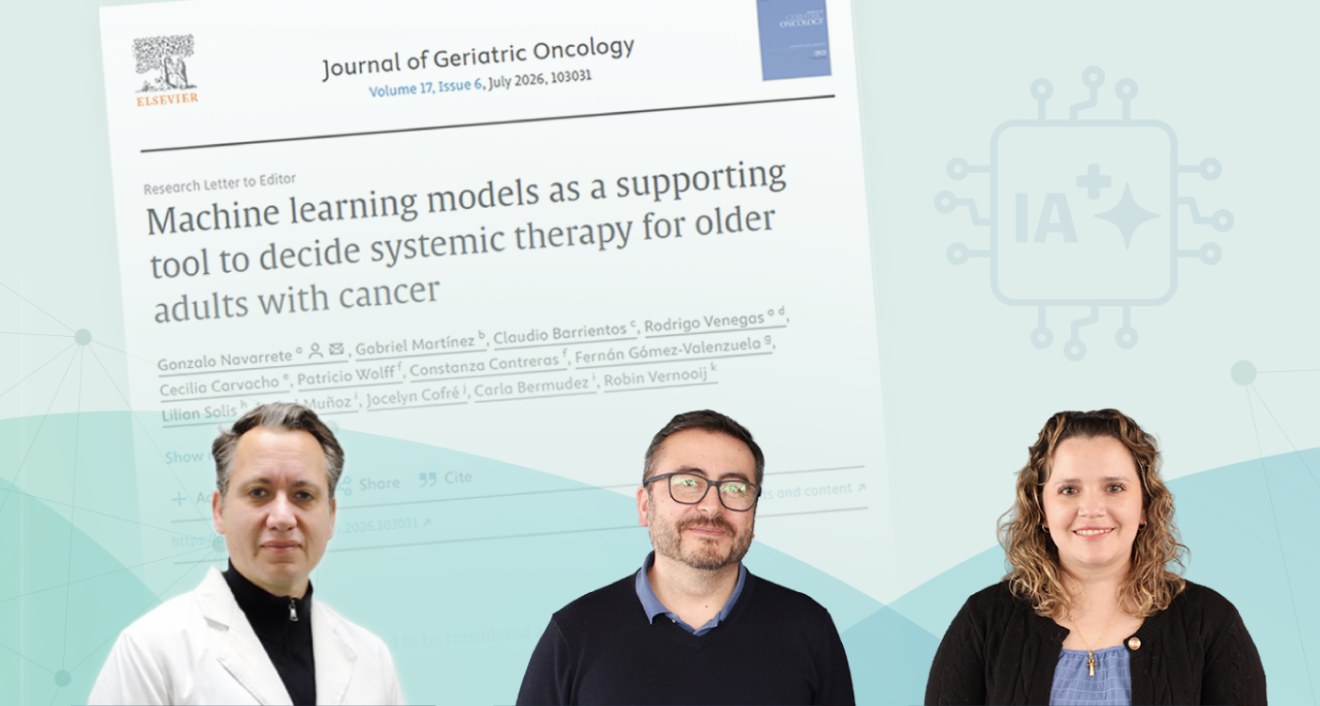
The Digital Health Department of the Ministry of Health published on its portal a note on the study “Machine learning models as a supporting tool to decide systemic therapy for older adults with cancer”, published in the Journal of Geriatric Oncology, which gives rise to PROTEGER. The note highlights Hospital Digital's participation in the research and gathers the words of two members of the Oncoger team: Dr. Gonzalo Navarrete, oncogeriatrician at Hospital Digital, and Dr. Gabriel Martínez, one of the directors of Hospital Digital's Geriatrics strategy.
As the publication describes, teams from various Chilean institutions developed and validated artificial-intelligence models to support the choice of drug treatments in older people with cancer, integrating information about the disease with an assessment of each patient's overall health. To develop and test the models, records from the Digital Health Oncogeriatric Telecommittee and two external groups of patients from the University of Chile Clinical Hospital and the Rancagua Regional Hospital were used.
The model considers factors such as frailty, physical condition, autonomy, the risk of adverse effects and the type of cancer, and showed a good ability to identify who might benefit from a standard treatment —such as chemotherapy or other drugs— and who would need an alternative adapted to their condition.
A concrete tool for the public system
This study shows that artificial intelligence can become a concrete tool to improve care for older people with cancer and support treatments adapted to each patient's needs. The collaboration between Hospital Digital, universities, public hospitals and clinical teams from different regions made it possible to incorporate information from 629 patients treated in Chilean hospitals and to reflect the reality of the public system.
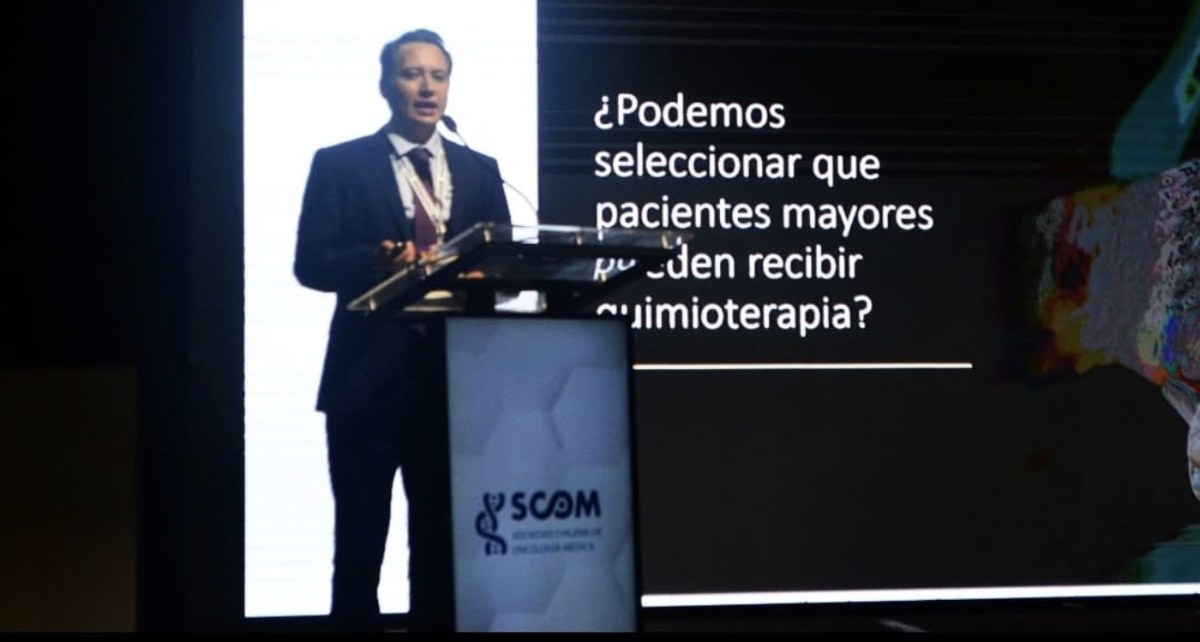
Dr. Gabriel Martínez stressed that the tool could be especially useful in places with less access to geriatric specialists:
We seek to help older people access a more appropriate and equitable treatment recommendation. In some cases, the negative effects of a treatment could outweigh its benefits, so this model could help the treating team choose the safest alternative for each person.
According to the ministerial note, this advance could help improve treatment decisions, better prioritise patients, reduce avoidable adverse effects, optimise waiting lists and guide care according to each person's needs, including timely referral to palliative care when appropriate.
A collaborative effort
In addition to doctors Gonzalo Navarrete and Gabriel Martínez, the publication included the participation of Jocelyn Cofré, midwife of the Hospital Digital Unit of the Ministry of Health, together with Claudio Barrientos, Rodrigo Venegas, Cecilia Carvacho, Patricio Wolff, Constanza Contreras, Fernán Gómez-Valenzuela, Lilian Solís, Isabel Muñoz, Carla Bermúdez and Robin Vernooij.
For the Oncoger team, Hospital Digital's recognition confirms the purpose of PROTEGER: a tool born from Chilean public-system data, built together with the clinical teams that use it, and which supports —without replacing— the decision of the oncologist, the geriatrician and the patient.